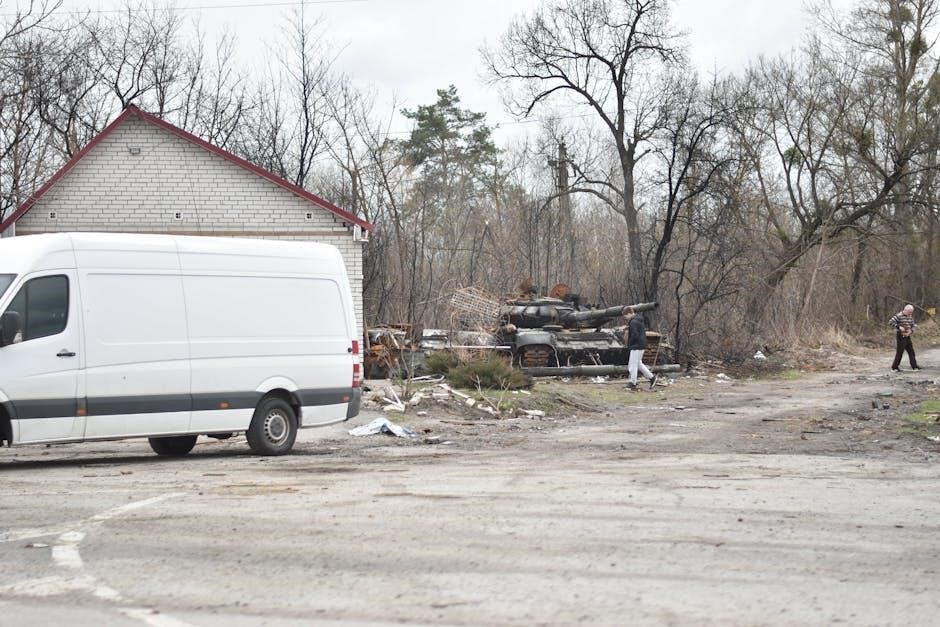
Recent conflicts‚ like Gaza in 2023-2026‚ highlight NATO’s potential unpreparedness for large-scale urban battles․ This guide explores adapting tank employment for crowded city environments․
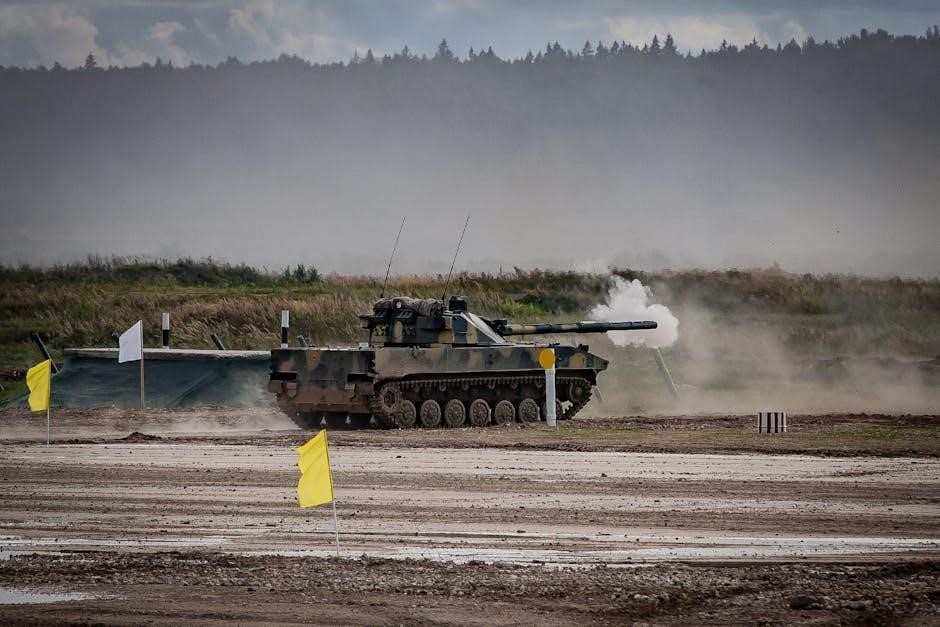
The Evolving Landscape of Urban Combat
The nature of warfare is shifting‚ with a growing likelihood of conflicts occurring within densely populated urban areas․ Traditional tank tactics‚ designed for open terrain‚ prove inadequate in these complex environments․ The Israeli experience in Gaza serves as a crucial case study‚ revealing vulnerabilities and prompting adaptation․
NATO forces face a significant challenge‚ potentially lacking the preparedness for such engagements․ Arming infantry platoons with enhanced capabilities is becoming paramount․ This evolving landscape demands a re-evaluation of doctrine‚ equipment‚ and training to effectively navigate the unique challenges of urban warfare․
Historical Context: Lessons from Past Conflicts
Throughout history‚ urban combat has consistently proven to be among the most challenging military operations․ Past conflicts demonstrate the limitations of relying solely on armored vehicles in constricted spaces․ Early lessons emphasized the necessity of close infantry-tank cooperation‚ a principle continually reinforced by subsequent engagements․
The Gaza operation underscores this historical trend‚ highlighting the need for adaptable tactics․ Analyzing previous urban battles reveals recurring themes: the importance of situational awareness‚ minimizing civilian casualties‚ and countering asymmetric threats․ These historical precedents inform contemporary tank employment strategies․
Understanding the Urban Environment
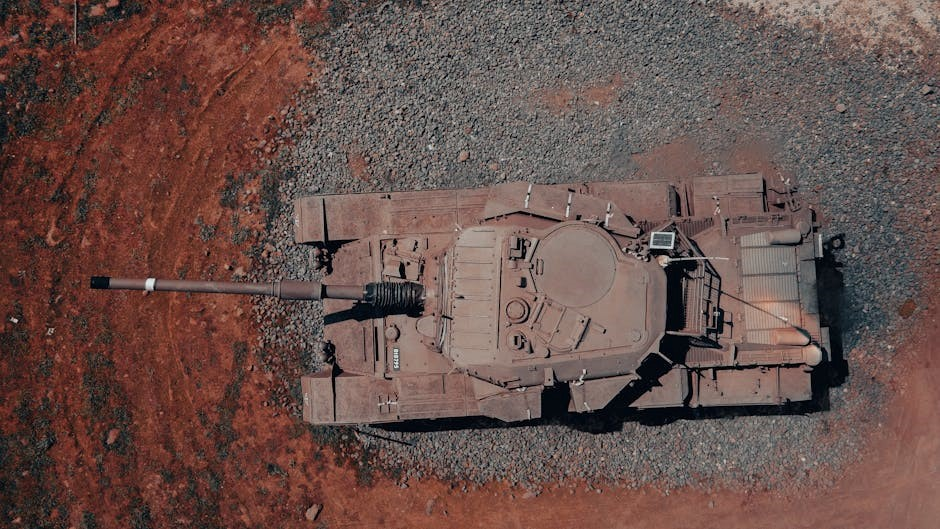
Cities present unique challenges: constricted streets‚ building obstructions‚ and a complex civilian landscape․ These factors demand a shift in traditional tank warfare approaches and careful planning․
Challenges Posed by Urban Terrain
Urban environments drastically limit tank maneuverability and lines of sight․ Buildings create kill zones and funneling points‚ increasing vulnerability to ambushes from Anti-Tank Guided Missiles (ATGMs) and Improvised Explosive Devices (IEDs)․
The dense construction hinders sensor performance and complicates target identification․ Rubble and debris obstruct movement‚ slowing advance and creating mechanical issues․
Furthermore‚ navigating narrow streets restricts tactical options‚ forcing engagements at close range where tanks are most susceptible to infantry-based attacks․ Adapting to this complex terrain is paramount for success․
Impact of Civilian Presence on Tank Operations
The presence of civilians significantly complicates tank operations in urban settings․ Distinguishing between combatants and non-combatants is crucial‚ demanding extreme caution and precise targeting․ Collateral damage risks are substantially elevated‚ potentially leading to political and ethical repercussions․
Civilian movement restricts freedom of maneuver and complicates rules of engagement․ Enemy forces may deliberately embed themselves within the population‚ exploiting the constraints imposed by civilian protection concerns․
Maintaining situational awareness amidst civilian activity is vital to avoid unintended consequences and uphold the laws of war․
Tank Employment Strategies
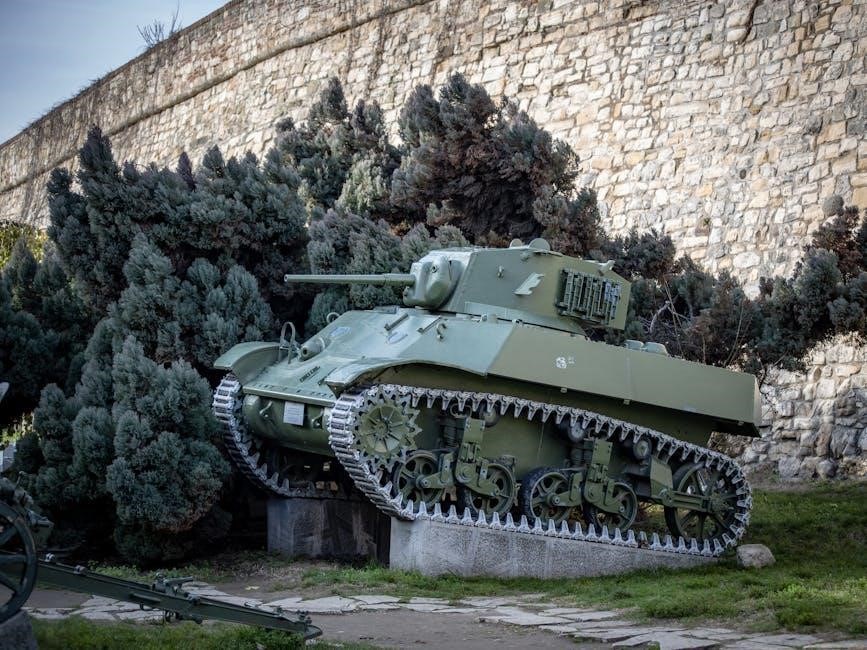
Effective tank strategies necessitate direct fire support‚ utilizing hull-down positions‚ and building penetration techniques․ Coordinated infantry-tank attacks are essential for success․
Direct Fire Support in Urban Areas
Providing direct fire support in urban settings demands careful consideration of collateral damage and civilian presence․ Tanks must engage targets with precision‚ minimizing structural harm․ Utilizing advanced targeting systems is crucial for identifying enemy positions within complex urban landscapes․
However‚ the close proximity of combat necessitates a shift towards more deliberate engagements․ Rapid target acquisition and accurate fire control are paramount‚ often requiring close coordination with dismounted infantry elements who can provide enhanced situational awareness․
The Gaza conflict demonstrates the need for adaptable tactics‚ potentially including arming infantry platoons with greater firepower to complement tank operations and address close-quarters threats effectively․
Hull-Down Positions and Building Penetration
Employing hull-down positions is vital for tank survivability in urban warfare‚ minimizing exposure to enemy anti-tank guided missiles (ATGMs) and infantry attacks․ Utilizing rubble‚ building foundations‚ and elevated terrain offers protective advantages․ However‚ urban environments often limit ideal hull-down locations․
Building penetration‚ while risky‚ can provide access to key urban areas and create advantageous firing positions․ Careful assessment of structural integrity is essential to avoid collapse․
The IDF’s experiences in Gaza underscore the need for innovative approaches to building penetration‚ potentially utilizing specialized breaching equipment and coordinated infantry support to mitigate risks and maximize effectiveness․
Coordinated Attacks with Infantry
Effective tank operations in urban settings necessitate close coordination with infantry․ Tanks provide direct fire support and breach capabilities‚ while infantry clears buildings and secures flanks‚ mitigating risks from close-range anti-tank threats and improvised explosive devices (IEDs)․
The Gaza conflict demonstrates the importance of arming infantry platoons with sufficient anti-tank weaponry to counter urban ambushes․
Synchronized movement and communication are crucial; infantry must guide tanks through complex urban terrain‚ identifying potential hazards and enemy positions․ This synergy maximizes combat effectiveness and minimizes collateral damage․
Tactical Considerations for Tank Crews
Tank crews require heightened situational awareness and robust communication protocols within confined urban spaces․ Identifying and neutralizing enemy threats quickly is paramount for survival․
Situational Awareness and Observation
Maintaining comprehensive situational awareness is critical for tank crews operating in complex urban environments․ Crews must diligently scan for potential ambush points‚ concealed enemy positions‚ and civilian movements․ Observation necessitates utilizing all available sensors – thermal‚ visual‚ and acoustic – to penetrate visual obstructions common in cities․
Effective observation demands a 360-degree perspective‚ frequently rotating observation duties amongst crew members to mitigate fatigue and blind spots․ Prioritizing observation of elevated structures‚ alleyways‚ and building interiors is essential․ Recognizing patterns of life and identifying anomalies can provide early warning of impending threats‚ enhancing crew survivability and mission success․
Communication Protocols in Confined Spaces
Clear and concise communication is paramount within the tank crew and with external units during urban operations․ Due to signal interference and limited lines of sight‚ reliance on robust‚ pre-planned communication protocols is vital․ Crews should utilize brevity codes and standardized terminology to minimize transmission time and reduce ambiguity․
Regular communication checks are essential to confirm connectivity and clarity․ Prioritize reporting of observed threats‚ civilian presence‚ and structural damage․ Maintaining disciplined radio discipline prevents jamming and ensures critical information reaches the intended recipients‚ bolstering coordinated maneuvers and minimizing friendly fire incidents․
Identifying and Engaging Enemy Threats
Urban environments present a complex threat landscape‚ demanding heightened vigilance from tank crews․ Enemy forces may employ Anti-Tank Guided Missiles (ATGMs) from concealed positions within buildings or rubble‚ necessitating constant scanning and threat assessment․ Improvised Explosive Devices (IEDs) and minefields pose significant risks to mobility‚ requiring careful route selection and observation․
Close-quarters combat with infantry is inevitable‚ demanding precise targeting and controlled firepower to minimize collateral damage․ Prioritize identifying enemy firing positions and command elements‚ utilizing advanced sensors and observation techniques to gain a decisive advantage before engaging․
Specific Threats and Countermeasures
Urban warfare introduces unique dangers: ATGMs‚ IEDs‚ and close-quarters infantry attacks․ Effective countermeasures involve enhanced armor‚ advanced sensors‚ and responsive defensive systems․
Anti-Tank Guided Missiles (ATGMs) in Urban Settings
The proliferation of Anti-Tank Guided Missiles (ATGMs) presents a significant threat in urban environments․ Buildings offer concealed firing positions‚ reducing tank crew situational awareness and increasing vulnerability․
Tactics must prioritize rapid target acquisition and engagement‚ utilizing advanced sensors to detect launch signatures․
Employing smoke screens and maneuvering to disrupt ATGM guidance systems are crucial․
Furthermore‚ pre-planned firing positions and hull-down techniques minimize exposure․
Infantry support is vital for clearing potential ATGM ambush sites‚ ensuring comprehensive threat mitigation within the complex urban landscape․ Constant vigilance is paramount․
Improvised Explosive Devices (IEDs) and Minefields
Urban terrain dramatically increases the risk posed by Improvised Explosive Devices (IEDs) and hidden minefields․ Narrow streets and rubble-strewn areas provide ideal concealment for emplacements․ Route reconnaissance‚ utilizing engineering assets and dismounted infantry‚ is essential before tank advancement․
Employing mine-clearing rollers and establishing designated‚ cleared lanes are vital․
Maintaining situational awareness and observing for indicators – disturbed surfaces‚ unusual objects – is crucial․
Coordinated movement with infantry support enhances detection capabilities and minimizes vulnerability to these asymmetric threats within the urban sprawl․
Close-Quarters Combat with Infantry
Urban warfare frequently forces tanks into extremely close proximity with enemy infantry․ Direct fire‚ while effective‚ risks collateral damage and civilian casualties․ Prioritizing infantry support – clearing buildings and providing overwatch – is paramount․ Utilizing machine guns and remote weapon stations (RWS) offers precision engagement options․
Maintaining a 360-degree security perimeter is vital‚ as threats can emerge from any direction․
Coordinated fire and maneuver with dismounted infantry are essential for neutralizing enemy positions within the confined urban environment․
Technological Adaptations for Urban Tanks
Enhanced armor‚ advanced sensors‚ and remote weapon stations (RWS) are crucial for urban tank survivability․ These adaptations mitigate threats like ATGMs and IEDs․
Enhanced Armor and Reactive Armor Systems
Urban warfare presents unique armor challenges due to close-range engagements and multi-directional threats․ Traditional armor schemes may prove insufficient against modern anti-tank weaponry prevalent in cityscapes․ Consequently‚ enhanced armor packages‚ incorporating advanced materials like composite arrays and non-explosive reactive armor (NERA)‚ are vital․
These systems aim to defeat shaped charges and kinetic energy penetrators․ Reactive armor‚ while effective‚ requires careful consideration in urban settings due to potential collateral damage․ Furthermore‚ integrating active protection systems (APS) offers an additional layer of defense‚ intercepting incoming projectiles before impact‚ significantly boosting tank crew survivability․
Advanced Sensors and Targeting Systems
Navigating urban terrain demands superior situational awareness‚ necessitating advanced sensor suites․ Traditional direct-view optics are often obstructed by buildings and debris‚ making thermal imagers and high-resolution cameras crucial for target acquisition․ 360-degree situational awareness systems provide continuous coverage‚ mitigating blind spots․
Furthermore‚ laser rangefinders and ballistic computers enhance targeting accuracy‚ compensating for the complex engagement angles common in urban combat․ Integration with drone-based reconnaissance feeds provides overwatch capabilities‚ identifying threats beyond line of sight and improving overall battlefield understanding․
Remote Weapon Stations (RWS) and Defensive Aids
Urban warfare exposes tanks to close-range threats‚ demanding robust defensive measures․ Remote Weapon Stations (RWS) equipped with machine guns or grenade launchers allow crews to engage infantry and lightly armored vehicles without exposing themselves․ These systems enhance responsiveness and provide a layer of protection against ambushes․
Additionally‚ active protection systems (APS) intercept incoming projectiles‚ like RPGs‚ mitigating the risk of penetration․ Smoke grenade launchers and obscurant systems create visual cover‚ disrupting enemy targeting and facilitating tactical maneuvers within the confined urban environment․
Case Studies: Gaza and Other Recent Conflicts
Israel’s Gaza operation serves as a crucial test case for NATO‚ revealing vulnerabilities in urban combat preparedness and adaptation strategies for tank tactics․
Analyzing IDF Tank Tactics in Gaza
The IDF’s experiences in Gaza demonstrate a need for enhanced infantry support‚ potentially arming platoons with more substantial firepower․ Adaptation to the dense urban landscape proved critical‚ showcasing both successes and challenges․ Reports suggest a focus on close-quarters engagement‚ requiring innovative approaches to minimize civilian casualties while neutralizing enemy threats․
Lessons learned emphasize the importance of coordinated attacks and the necessity of overcoming obstacles posed by improvised explosive devices (IEDs) and anti-tank guided missiles (ATGMs)․ The conflict underscored the value of adaptable tactics and the ongoing evolution of urban warfare strategies․
Lessons Learned from Other Urban Warfare Scenarios
Historical urban conflicts reveal consistent challenges for tank operations: limited maneuverability‚ vulnerability to ambushes‚ and the difficulty of distinguishing combatants from civilians․ Prior engagements emphasize the critical need for detailed intelligence gathering and robust communication protocols within confined spaces․
Effective tactics often involve close cooperation with infantry‚ utilizing hull-down positions‚ and carefully breaching buildings․ The importance of minimizing collateral damage and adapting to unpredictable enemy actions remains paramount‚ mirroring the observations from the Gaza case study and reinforcing the need for comprehensive training․

Future Trends in Urban Tank Warfare
Autonomous systems and drone integration will reshape urban tank tactics‚ alongside new tank designs focused on enhanced sensors and adaptability for complex city environments․
The Role of Autonomous Systems
The integration of autonomous systems represents a significant paradigm shift in urban tank warfare․ These systems can undertake reconnaissance missions in hazardous areas‚ reducing risk to crews and providing crucial situational awareness․
Furthermore‚ remotely operated turrets and automated targeting systems enhance precision and responsiveness in close-quarters combat․
However‚ reliance on autonomy necessitates robust cybersecurity measures to prevent enemy interference․
Ethical considerations surrounding autonomous weapon systems also demand careful evaluation and implementation of strict rules of engagement․
Ultimately‚ a balanced approach—combining human oversight with autonomous capabilities—will be key to maximizing effectiveness․

Integration with Drone Technology
Drone technology offers unparalleled advantages for urban tank operations‚ extending situational awareness beyond line-of-sight․ Small‚ unmanned aerial vehicles (UAVs) can scout ahead‚ identifying enemy positions within complex building structures and narrow streets․
Real-time video feeds relayed to tank crews enhance target acquisition and minimize the risk of ambush․
Furthermore‚ drones can act as communication relays in areas with disrupted signals‚ and even deliver small payloads‚ like smoke grenades‚ to create tactical advantages․
Effective integration requires secure communication links and protocols to prevent jamming or interception․
Development of New Urban Tank Designs
Future urban tank designs must prioritize survivability and adaptability within constricted environments․ Enhanced armor‚ potentially incorporating reactive armor systems‚ is crucial against evolving anti-tank threats like ATGMs and IEDs․
Reduced vehicle profiles and improved maneuverability are essential for navigating narrow streets and avoiding urban canyons․
Modular designs allowing for rapid reconfiguration based on mission requirements – such as adding extra armor or specialized sensors – will be key․ Consideration should also be given to incorporating non-lethal weaponry for crowd control scenarios․