
Explore the digital edition of the third Harry Potter novel, offering a convenient way to read, study, and enjoy the story. The PDF preserves original formatting, images, and layout, allowing fans and scholars to access the text anytime, anywhere, while supporting accessibility features.Enjoy reading!

Background of the Book
J.K. Rowling’s third installment in the Harry Potter saga, The Prisoner of Azkaban, first appeared in the United Kingdom on 8 July 1999 and in the United States on 8 August 1999. The novel follows Harry as he returns to Hogwarts for his third year, confronting new challenges such as the escaped prisoner Sirius Black, the mysterious Dementors guarding the school, and the revelation that the “innocent” Black is actually a loyal friend. Rowling’s narrative weaves themes of loyalty, prejudice, and the power of memory, while deepening the mythos of the wizarding world. The book’s title references the infamous Azkaban prison, known for its bleak atmosphere and the presence of Dementors, creatures that feed on human happiness. The novel’s success contributed to the rapid expansion of the series’ fan base, establishing a more mature tone and complex character development. Its publication was accompanied by a surge in merchandise, film adaptations, and scholarly analysis, cementing its place as a pivotal chapter in contemporary fantasy literature. The story’s intricate plot, combined with Rowling’s lyrical prose, has made it a staple in school curricula and a favorite among readers seeking a blend of adventure and emotional depth.
Rowling’s early drafts were shaped by her late 1990s experiences, as she navigated a changing publishing world. Sirius Black began as a tragic hero whose backstory was later expanded to deepen the novel’s emotional core. It set the tone for later.
Purpose of PDF Availability
The availability of a PDF version of “The Prisoner of Azkaban” serves multiple practical and cultural purposes. For casual readers, it offers a lightweight, portable format that can be accessed on a wide range of devices—from smartphones and tablets to laptops and e‑readers—without the need for a physical book. This convenience is especially valuable for travelers, commuters, or anyone who prefers digital media. For students and educators, the PDF format allows for easy annotation, highlighting, and integration into learning management systems, supporting classroom discussions and research projects. The searchable text feature enables quick reference to specific passages, facilitating literary analysis, character studies, and thematic exploration. Accessibility is another key benefit: screen readers can interpret the text for visually impaired users, and adjustable font sizes or contrast settings improve readability. Moreover, the PDF preserves the original layout, illustrations, and typography, maintaining the author’s artistic vision and the publisher’s design choices. By providing a faithful digital replica, readers can experience the book as intended, while also enjoying the flexibility of digital navigation. Finally, the PDF format supports long‑term preservation; with proper metadata and archival practices, it can be stored in digital libraries, ensuring that future generations can access the work in a stable, widely supported format. Thus, PDF availability enriches reading experience broadens access, and safeguards text for future.
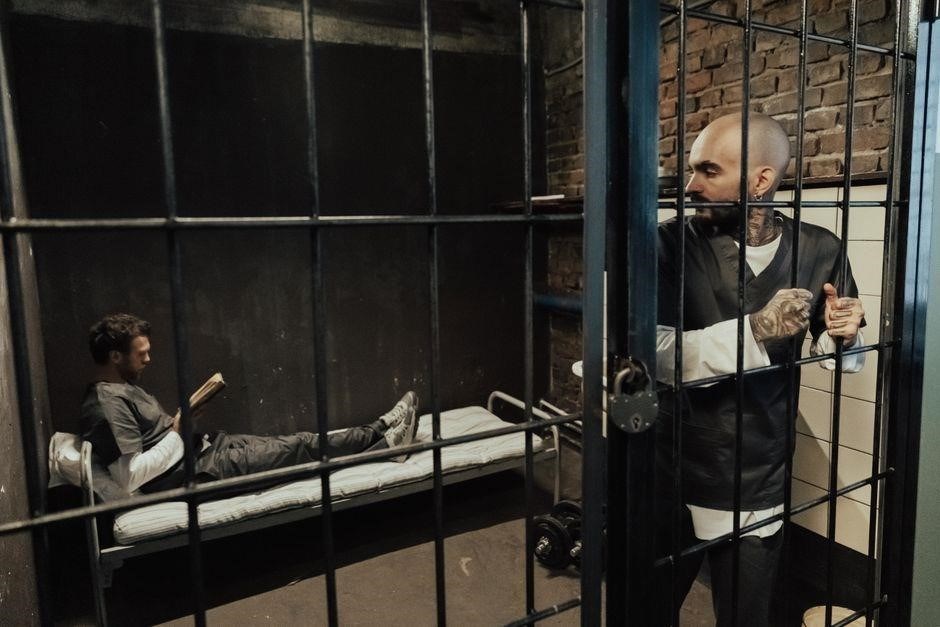
Overview of Content Structure
The PDF edition of “The Prisoner of Azkaban” is organized to mirror the original print layout while enhancing digital usability. At the very beginning, a front matter section contains the title page, copyright notice, and a brief dedication that sets the tone for the narrative. Following this, a table of contents lists all chapter titles with corresponding page numbers, allowing instant navigation through the document. Each chapter begins on a new page, preserving the original chapter heading style and spacing. The text itself is laid out in a clean, readable font, with paragraph indentation and justified alignment to reflect the publisher’s design choices. Illustrations, if included, appear on separate pages or inline, depending on the edition, and are surrounded by clear captions. At the end of the book, a back matter section provides references, a glossary of key terms, and an index that facilitates quick lookup of characters, locations, and plot points. Additionally, the PDF may contain interactive bookmarks that correspond to chapter titles, enabling users to jump directly to any section with a single click. This structure not only maintains fidelity to the original book but also leverages digital features to enhance the reading experience for both casual fans and scholarly readers alike. For users who prefer a more interactive experience, the PDF includes embedded hyperlinks that connect to external resources such as character biographies, historical background, and fan forums. The document also supports text‑to‑speech functionality, allowing readers to listen to the story while following along. Moreover, the file is optimized for fast loading on low‑bandwidth connections, ensuring accessibility for readers in regions with limited internet speed. The PDF’s metadata contains author, publisher, ISBN, and publication date, making it easy to catalog and search in digital libraries. Finally, the file size is carefully balanced to maintain quality while remaining lightweight, so it can be stored on smartphones or shared via email without excessive data usage.
Legal Aspects and Copyright Considerations
Understanding the legal status of the Harry Potter PDF is essential. The work remains under copyright, and unauthorized copies violate the author’s rights. Users should seek licensed versions or official digital releases to avoid infringement. OK!
Copyright Status of the Original Publication
The original edition of “The Prisoner of Azkaban” was first published in 1999 by Bloomsbury Publishing in the United Kingdom; Since its release, the novel has been protected under the copyright laws of the United Kingdom, the United States, and the European Union, all of which grant the author and publisher exclusive rights for a period of 70 years from the date of publication. This means that the text, illustrations, and any derivative works remain the property of J.K. Rowling and Bloomsbury until the end of that period. The copyright holder has the authority to control reproduction, distribution, and public performance of the work, and any unauthorized copying or downloading of the PDF is considered infringement. In addition, the United Kingdom’s Copyright, Designs and Patents Act 1988, the United States Copyright Act of 1976 (as amended), and the EU Copyright Directive provide mechanisms for enforcement, including civil remedies and criminal penalties. The novel’s status as a copyrighted text also means that it is not in the public domain, and therefore it cannot be freely shared or modified without explicit permission from the rights holders. For readers who wish to access the book legally, it is advisable to purchase a licensed digital copy from authorized retailers or to use official e‑book platforms that have obtained the necessary licenses. By respecting these legal frameworks, fans and scholars can enjoy the story while supporting the creators and publishers who bring it to life.
Enjoy the adventure responsibly now.

Fair Use and Educational Exceptions
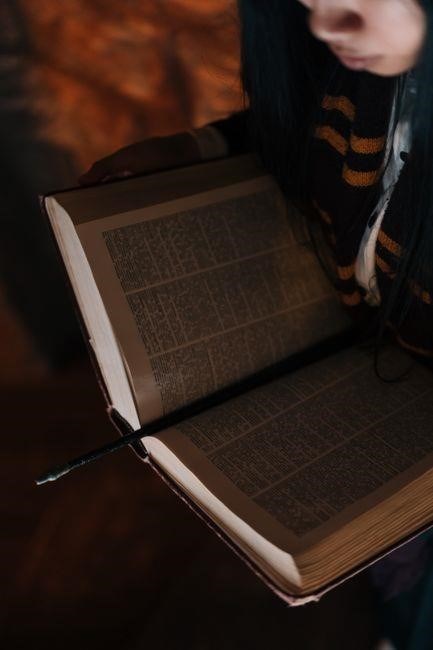
Fair use allows limited copying of copyrighted material for purposes such as criticism, comment, news reporting, teaching, scholarship, or research. In educational settings, instructors may reproduce excerpts of a text to illustrate a point, provided the use is transformative, non‑commercial, and does not substitute for the original work. The U.S. Copyright Act’s “fair‑use” doctrine considers four factors: the purpose and character of the use, the nature of the copyrighted work, the amount and substantiality of the portion used, and the effect on the market for the original. When a PDF of a novel is shared among students for classroom discussion, the transformation factor is strengthened if the material is used to analyze themes, characters, or narrative structure rather than to provide the entire story. However, the amount factor remains critical; using large passages or the entire book typically falls outside fair use. Scholars may also rely on the “educational exception” in some jurisdictions, which permits copying for non‑commercial teaching purposes, often with restrictions on distribution and public performance. Institutions can obtain licenses from publishers or use public‑domain resources to provide students with legitimate copies. In all cases, the goal is to balance the author’s rights with the public’s interest in learning and cultural enrichment. Students should always cite sources and properly.
Risks of Unauthorized Distribution
In addition, digital rights management (DRM) protects such content, and bypassing it can be a separate infringement. Users who share pirated PDFs may face civil liability for contributory infringement. Law enforcement monitors online platforms; repeated offenses can lead to injunctions, seizure of equipment, and criminal prosecution. Purchasing official editions or using authorized e‑book services ensures creators receive fair compensation, supporting continued production of quality literature.

How to Obtain and Access the PDF Safely
To safely acquire the PDF, purchase from official retailers or licensed e‑book platforms. Verify the file’s authenticity, use secure download links, and keep your device protected with updated antivirus software. Always respect the author’s rights and avoid unverified sources. Enjoy reading with care.
Official Publishers and Licensed Platforms
When seeking a legitimate PDF of “The Prisoner of Azkaban,” the safest route is to go through official publishers or licensed digital marketplaces. The original book remains under copyright, so only authorized distributors can legally sell or provide the file. Major publishers such as Bloomsbury (UK) and Scholastic (US) offer the novel in e‑book format through their own websites or through well‑known retailers like Amazon Kindle, Apple Books, Google Play Books, and Barnes & Noble Nook. These platforms provide DRM‑protected PDFs or EPUBs that can be opened in compatible readers, ensuring that the text remains secure and that the author’s rights are respected. These licensed PDFs are available for purchase or loan, ensuring that fans can enjoy the story while respecting intellectual property. For libraries, the digital lending platform OverDrive (or its partner Libby app) offers the book to patrons with a valid library card. This is a fully licensed method of obtaining the PDF, and the file is usually available in a format that can be read on most devices. When purchasing or accessing the PDF, ensure that the file is delivered via a secure HTTPS connection and that the vendor’s website displays a valid SSL certificate. Look for official logos and verify that the seller is listed as an authorized distributor on the publisher’s website. Avoid third‑party sites that promise free downloads, as these are almost always illegal and may expose your device to malware. Finally, keep a record of the purchase receipt or library checkout confirmation. rightsreserved.
Public Domain and Free Libraries
While the original text of “The Prisoner of Azkaban” remains under copyright, certain public‑domain resources and free‑library initiatives can offer legally compliant access to related materials. Libraries that subscribe to e‑book services such as OverDrive, Hoopla, or Libby provide licensed copies that patrons can borrow digitally. These platforms often host the novel in PDF format, ensuring that the file is distributed under the publisher’s terms. For those seeking truly free options, the Internet Archive and Project Gutenberg occasionally host companion guides, analyses, or fan‑generated summaries that are in the public domain or released under Creative Commons licenses. While the novel itself is not free, these ancillary documents can enrich a reader’s understanding without infringing on the original copyright. It is essential to verify the licensing status of any PDF before downloading, as unauthorized copies can expose users to legal risk.
Moreover, many public libraries offer interlibrary loan services that allow patrons to request a PDF copy from partner institutions, ensuring that the distribution remains within the bounds of copyright law. In some jurisdictions, libraries can also provide temporary access to PDFs under the doctrine of “library copy” for educational purposes, provided that the copies are not sold or widely disseminated. These legal frameworks help preserve the integrity of the work while making it accessible to a broader audience. Users should always check the library’s terms of service and confirm that the PDF is provided through a licensed channel before downloading or sharing it. Patrons can also request a digital copy via the library’s interlibrary portal.
Downloading from Trusted Sources

When seeking a reliable copy of the “The Prisoner of Azkaban” PDF, it is essential to prioritize reputable platforms that respect intellectual property rights. Trusted sources typically include official publishers, licensed distributors, and well‑known academic repositories. These outlets provide high‑quality scans or original digital files that preserve the author’s layout and illustrations, ensuring a reading experience that matches the printed edition;
To verify legitimacy, check for clear licensing statements, such as “© 2000–2024 J.K. Rowling” and “All rights reserved.” Reputable sites will also display secure URLs (https) and, in many cases, offer the file in multiple formats (PDF, EPUB, MOBI) to accommodate different devices. Additionally, reputable platforms often provide metadata like ISBN, publication date, and edition notes, which help confirm authenticity.
Downloading from these platforms typically requires a purchase or a subscription, but many libraries and educational institutions provide free access through their digital collections. If you are a student or researcher, check whether your institution’s library offers a licensed copy. Libraries often use services such as OverDrive or Hoopla, which provide authenticated downloads that are fully compliant with copyright law.
When using a trusted source, always keep the file in a secure location and avoid sharing it with others. This protects both the author’s rights and your own legal standing. By choosing reputable platforms, you support the continued availability of quality content while respecting the creative effort behind the work.
Finally, verify the file’s integrity by checking its checksum. This ensures the PDF has not been tampered with and remains a faithful representation of the original text.

Reading and Navigating the PDF for Fans and Scholars
Utilize the PDF’s search function to locate key scenes, then use bookmarks to jump between chapters. Zoom in for fine details, and adjust font size for comfort. Highlight quotes, add sticky notes, and export annotations for research. Many readers support layer toggles, enhancing study sessions. Enjoy
PDF Readers and Accessibility Features
Choosing the right PDF reader can transform how you experience the digital edition of “The Prisoner of Azkaban.” Popular options like Adobe Acrobat Reader, Foxit Reader, and SumatraPDF offer robust navigation tools, while mobile‑friendly apps such as iBooks, Google PDF Viewer, and Microsoft Edge provide seamless access on the go. Each reader supports zoom, page‑flip, and full‑screen modes, allowing readers to adjust the layout to match their visual preferences. For those with visual impairments, screen‑reader compatibility is essential; Adobe Reader’s Read‑Aloud feature, NVDA, and VoiceOver on macOS can read text aloud, while high‑contrast themes improve readability. Many readers also support text‑to‑speech conversion, enabling users to listen to passages while multitasking. Additionally, the ability to change font size, style, and background color can reduce eye strain during long reading sessions. Moreover, many readers offer cloud sync, allowing you to resume reading across devices without losing your place, which is especially handy for long study sessions. Properly tagged PDFs with clear headings, lists, and alt‑text for images allow assistive technologies to interpret the content accurately. By selecting a reader that prioritizes accessibility, you create an inclusive environment that welcomes every fan and researcher to explore the wizarding world in depth. Enjoy! Share now!!

Annotating and Highlighting Techniques
When working with the digital edition of “The Prisoner of Azkaban,” effective annotation and highlighting can deepen comprehension and support research. Most PDF readers provide a palette of tools: highlighters in multiple colors, underlines, strikethroughs, and sticky notes. Begin by selecting a color that signals the type of note—yellow for key plot points, blue for character motivations, and pink for thematic motifs. Use the comment tool to add brief explanations or questions directly adjacent to the text, keeping the margin tidy. For longer passages, consider the text box feature to write a concise summary. Many readers allow you to group annotations by chapter or theme, which can be exported to a spreadsheet for systematic analysis. When highlighting, avoid overuse; a single, well‑placed highlight often conveys more than a blanket of color. If the PDF supports layered annotations, you can toggle visibility, enabling a clean view when sharing with peers. Finally, remember to save your annotated copy separately from the original to preserve the source file. This practice ensures that your notes remain intact for future reference and collaboration. By organizing annotations, readers can create a guide that highlights recurring motifs, tracks character development, and maps plot progression, enhancing enjoyment deeply and scholarly analysis!!
Cross-Referencing with Companion Guides
When studying the PDF of “The Prisoner of Azkaban,” cross‑referencing with companion guides enriches understanding. Align chapter numbers in the PDF with the guide’s chapter index; many guides provide a chapter‑by‑chapter summary that highlights key plot points, character arcs, and thematic motifs. Use the guide’s glossary to clarify terms like “Animagus” or “Marauder’s Map,” and note their page numbers in the PDF. Consult the guide’s character profiles: match the profile number to the PDF’s page where the character first appears, then track subsequent mentions. This reveals subtle shifts in characterization and foreshadowing. Many guides include a timeline of events; overlay this timeline onto the PDF by noting the corresponding chapter and page, allowing you to see how the narrative pace aligns with real‑world dates in the wizarding world. If the guide offers maps, cross‑reference the map’s coordinates with the PDF’s page numbers to locate key scenes. Finally, use the guide’s discussion questions to guide your reading: after finishing a PDF chapter, revisit the question in the guide, then search the PDF for passages that answer or illustrate the point. This iterative process turns a passive reading experience into an active, research‑ready study session, ensuring you capture every nuance the author intended while keeping the PDF organized and accessible. Your notes will deepen comprehension and discussion.